
The pieces came together when Barbara met with Mary Ellen Kelly, a registered dietitian at Harvard-affiliated Brigham and Women’s Hospital. To promote fat loss, Barbara confessed, she usually didn’t eat after her workouts. But the zero-refueling strategy meant she was sacrificing the strength and endurance she needed to train effectively. Timing, optimal dose and intake duration of dietary supplements with evidence-based uses in sports nutrition. In addition, antioxidant supplementation can have harmful effects on the response to overload stress and high-intensity training, thereby adversely affecting skeletal muscle remodeling following resistance and high-intensity exercise. Energy availability (EA) is the difference between energy intake (diet) and energy expenditure (exercise, training and competing, and NEAT- Non-Exercise Activity Thermogenesis).
- A practical approach is to spread protein across the day in servings of roughly 20–40 grams at meals and snacks, rather than relying on one large protein-heavy meal.
- By signing up, I agree to the Terms of Use (including the dispute resolution procedures) and have reviewed the Privacy Notice.This site is protected by reCAPTCHA and the Google Privacy Policy and Terms of Service apply.
- Athletes use a range of dietary strategies to improve performance, with maximizing glycogen stores a key strategy for many.
- Research trials include hormonal blood work reviews, muscle biopsies, performance evaluations, body composition testing, daily energy assessments and quality of life analysis.
- Here’s a shortlist of high-fidelity exercises you might prioritize, and low-fidelity exercises you’ll want to program with greater discretion.
- In total, there are 20 amino acids, of which nine are ‘essential’ (the body can’t make them) so we must get them from our diet.
Eating foods with the proper nutrients can relieve muscle soreness the days following your workout—meaning you may feel better in your subsequent workouts, too. The International Society of Sports Nutrition (ISSN) recommends eating a high carb diet of 3.6 to 5.5 g of carbs per pound (or 8 to 12 g per kg) of body weight each day to support your glycogen stores. That said, these recommendations are targeted to the needs of endurance athletes or people who do high volume exercise. Post-exercise recovery is a vital aspect of athletic performance, aimed at restoring homeostasis, repairing muscle tissues, replenishing energy stores, and reducing exercise-induced fatigue.
Athlete’s Guide to Anti-Inflammatory Eating (
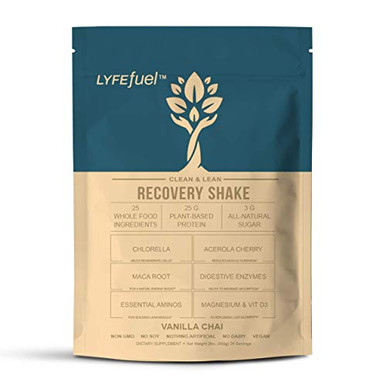
Protein powders can benefit many people, especially athletes, older adults, vegetarians, and vegans. They are a convenient source of complete protein and sometimes contain other nutrients. Therefore, people should always be cautious when buying protein powders and choose a product from a reputable supplier. The Food and Drug Administration (FDA) does not regulate protein powders. However, the effectiveness may decrease with age, as older adults have higher protein requirements than younger people. The study suggests that supplementing with WP or WPH alongside a weight-loss diet can benefit older women, with WPH potentially offering superior outcomes due to more efficient energy metabolism.
Keep in mind that these kinds of waters are also likely to be packed with sugar, as many of them are designed to replenish carb stores during prolonged exercise. If you’re not in the market for those extra sugar calories, opt for drinks with little or no added sugar. That said, some drinks are specifically designed to aid hydration and mineral replacement, containing higher quantities of electrolytes.

Our 7 day per week expert customer service goes above and beyond to ensure client rapid success. Add strategic challenge to your core training with multiple weight loading options. Precision Fuel & Hydration and its employees and representatives are not medical professionals, do not hold any type of medical licenses or certifications and do not practice medicine. The information and advice which Precision Fuel & Hydration provides is not medical advice. If customers have any medical questions regarding any advice or information provided by Precision Fuel & Hydration, they should consult their physician, or another healthcare professional. So, when you’re next raiding the fridge immediately after a training session, do it because you want to, not because you feel you have to.
Adjusting protocols is more effective than varying exercises.
Moreover, it is important to consider the interactions between different performance and recovery-enhancing supplements, as they often do not result in additive improvements [218]. Understanding these interactions is crucial for developing effective and safe nutritional strategies. Given that athletes such as bodybuilders and powerlifters often engage in two training sessions per day, future research is needed to explore this training strategy. Such studies should focus on individuals involved in resistance training to assess their training quality and muscle adaptation variables. Finally, a greater emphasis on the practical application of these strategies in real-world sports contexts, including team sports and ultra-endurance events, would help bridge the gap between laboratory findings and field performance.
This process—going from a bodyweight squat to a goblet squat to a barbell squat—could take several months.
The ISSN recommends eating high quality proteins and carbs within 2 hours of exercising. Combinations of the foods above can create great meals that give you all the nutrients you need after exercise. Furthermore, consuming carbs and protein together can help stimulate insulin release, which also supports glycogen storage. By focusing on smart nutrition, hydration, and rest, you can help your body recover faster and reap all the benefits of your workout.
Truvani Plant-Based Protein Powder
Adding a scoop of protein to a smoothie or shaking it up with water can get you over 20 grams of protein in under a minute. It’s not a long-term meal replacement, but on busy days, the convenience is tough to beat. If you’ve ever walked down the supplement aisle in the grocery store, passing by rows of protein powders, or scrolled through countless fitness videos and ads online, you know it can get overwhelming trying to find the best protein source to add to your diet. Every brand claims to help you build muscle, recover faster, and boost your energy.
3 Carbohydrate and Protein Co-ingestion
The role of dietary fat and micronutrient ingestion during the post-exercise recovery period and subsequent exercise performance should be investigated in future research. As has been communicated by several authors, athletes have a high risk of vitamin D deficiency. Despite the evident benefit of vitamin D in muscle function, particularly in recovery from inflammation caused by exercise, there are still few experimental studies that demonstrate an improvement in performance after vitamin D supplementation. The musculoskeletal benefits occur when deficient or insufficient circulating levels of vitamin D (20–30 ng/mL) are corrected by providing supplements.
Is chocolate milk good after a workout?
Caffeine (1,3,7-trimethylxanthine) is one of the most extensively researched performance-enhancing supplements and is known to enhance exercise performance when consumed before [157] and during prolonged exercise [158]. Recent evidence suggests caffeine could also positively affect post-exercise recovery owing to its ability to decrease muscle soreness [159] and, when paired with carbohydrates, accelerate muscle glycogen replenishment [160]. Loureiro et al. [161] proposed that caffeine might enhance muscle glycogen synthesis by activating molecular pathways related to either energy sensing or muscle contraction.
2.3. Modified Starches and High-Molecular Weight Carbohydrates
In addition, nuts provide a good source of phenolic compounds, which have antioxidant and anti-inflammatory effects in the body (25). Our team of licensed nutritionists and dietitians strive to be objective, unbiased, honest and to present both sides of the argument. It’s important not to go much longer than a few hours before refueling with a meal or snack. The National Athletic Trainers’ Association (NATA) recommends drinking 500 to 600 ml of water within 2 to 3 hours before exercising, and 200 to 300 ml within 10 to 20 minutes of exercising. A key challenge in recovery assessment is its multidimensional nature; no single marker can capture the full spectrum of recovery and fatigue.
Fat Reduce FBO5
Eating shortly after exercising can help ward off muscle soreness, tightness and cramping. If it’s an easy-going 30-minute walk, you may be able to get away with skipping a pre-workout snack. “But if you’re exercising for an hour or more, you really should get something to eat,” she notes.
Chocolate milk can be a convenient recovery drink because it provides carbohydrates, protein, fluid, and electrolytes in one easy option. It may be especially useful after endurance training, long workouts, or high-intensity sessions when both glycogen long-term fitness motivation replenishment and rehydration matter. These benefits are likely due to antioxidant effects and have been observed in both trained and untrained populations [203]. However, most studies have measured indicators of muscle damage/inflammation rather than subsequent performance. Despite reductions in muscle damage and/or inflammation, improvements in performance are not always observed [191, 192].
Energize Pre-Workout
However, people who want more guidance or have underlying conditions may benefit from speaking with a doctor or physical therapist. Continuing to exercise with an injury could make the injury worse or slow recovery. More research involving a larger, more varied group of participants is necessary to confirm if this finding is correct.